%2Ffit-in%2F250x250%2Fguide_websites%2F179529%2Fimages%2F1781850776069don-nicely-fishing-logo.png&w=1920&q=100)
/users/5a7b1659-03f8-472a-b337-fc182180102e/ratecard/local-inshore-fishing-spots-mqkhvgii.jpg)
%2F300x300%2Fusers%2F5a7b1659-03f8-472a-b337-fc182180102e%2Fratecard%2Flocal-inshore-fishing-spots-mqkhvgii.jpg&w=256&q=75)
%2F300x300%2Fusers%2F5a7b1659-03f8-472a-b337-fc182180102e%2Fimages%2Fvero-beach-redfish-fishing-charter-2749.jpg&w=256&q=75)
%2F300x300%2Fusers%2F5a7b1659-03f8-472a-b337-fc182180102e%2Fimages%2Fcrevalle-jack-vero-beach-catch-2495.jpg&w=256&q=75)
%2F300x300%2Fusers%2F5a7b1659-03f8-472a-b337-fc182180102e%2Fimages%2Fvero-beach-catfish-fishing-trip-2730.jpg&w=256&q=75)
%2F300x300%2Fusers%2F5a7b1659-03f8-472a-b337-fc182180102e%2Fimages%2Fshark-catch-vero-beach-fishing-2650.jpg&w=256&q=75)
%2F300x300%2Fusers%2F5a7b1659-03f8-472a-b337-fc182180102e%2Fimages%2Fvero-beach-snook-fishing-success-2650.jpg&w=256&q=75)
%2F300x300%2Fusers%2F5a7b1659-03f8-472a-b337-fc182180102e%2Fimages%2Fvero-beach-redfish-catch-2781.jpg&w=256&q=75)
%2F300x300%2Fusers%2F5a7b1659-03f8-472a-b337-fc182180102e%2Fimages%2Fvero-beach-snook-fishing-catch-2710.jpg&w=256&q=75)
%2F300x300%2Fusers%2F5a7b1659-03f8-472a-b337-fc182180102e%2Fimages%2Fvero-beach-redfish-catch-2721.jpg&w=256&q=75)
%2F300x300%2Fusers%2F5a7b1659-03f8-472a-b337-fc182180102e%2Fimages%2Fvero-beach-redfish-catch-2696.jpg&w=256&q=75)
%2F300x300%2Fusers%2F5a7b1659-03f8-472a-b337-fc182180102e%2Fimages%2Fvero-beach-redfish-catch-2764.jpg&w=256&q=75)
Sebastian Inlet Snook Bass Trout Charter Don Nicely
What you will be catching:
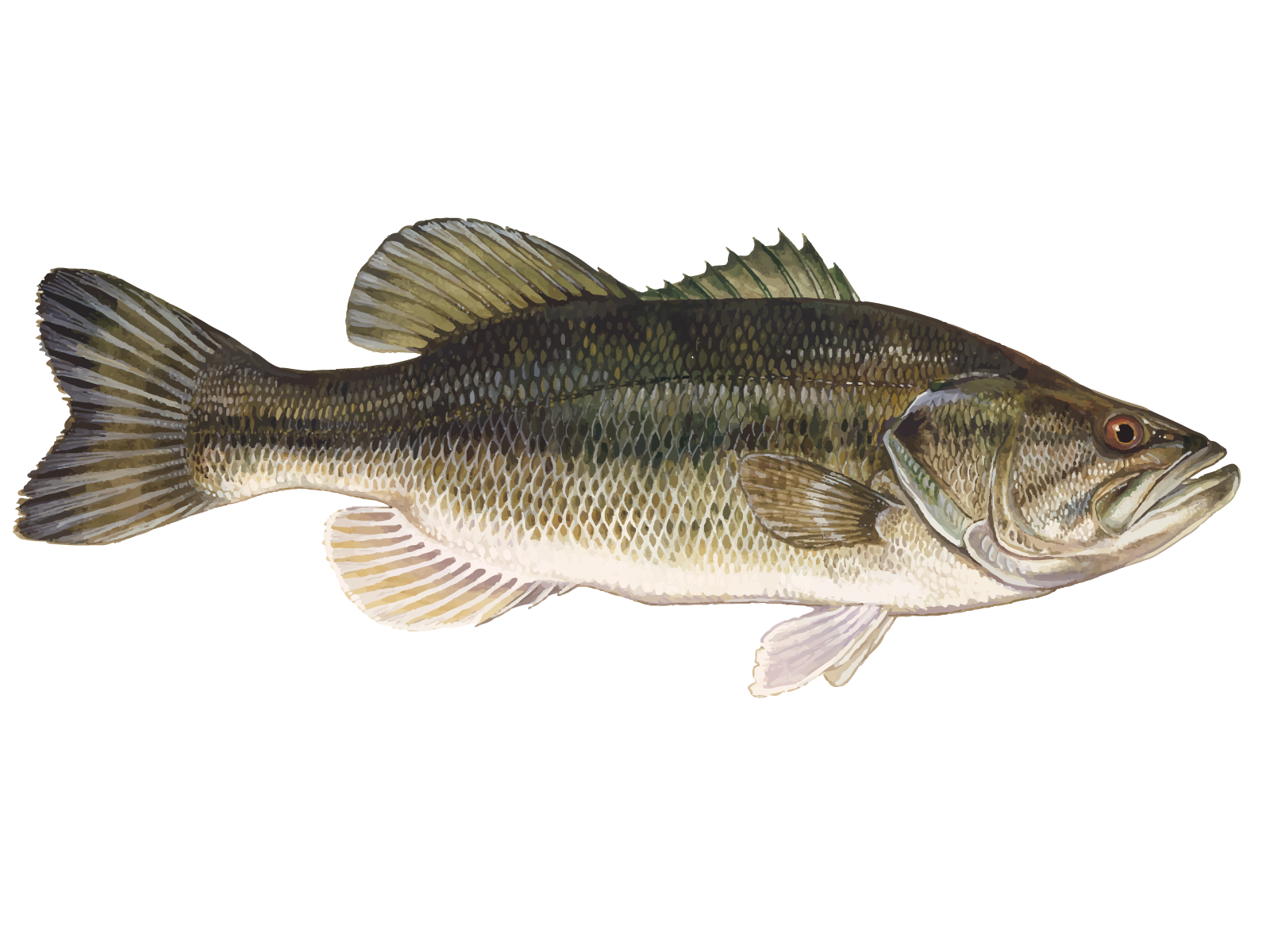 Largemouth Bass
 Redfish
 Sheepshead
 Snook
Snook Spanish Mackerel
- Six-hour morning charter from 7 AM targeting snook, trout, and bass
- Quality Shimano Baitrunner equipment with personalized fishing instruction provided
- Maximum two guests ensures focused coaching and technique development
Trip Pricing and Availabilities:
6-Hour Snook & Bass Charter at Sebastian Inlet
When you want more than just a quick morning bite, this six-hour charter gives you the real deal. Starting at 7 AM, you'll have plenty of time to work the flats around Sebastian Inlet and maybe even hit some inland spots where the largemouth bass are hiding. Captain Don knows these waters like the back of his hand, and with six hours to play with, you're not rushing from spot to spot – you're actually fishing. Perfect for two anglers who want to get serious about their technique, whether you're just getting started or you've been throwing lures for years.
What to Expect on the Water
This isn't your typical half-day rush job. With six solid hours, we can really dial in on what's working. Maybe the snook are being picky on the flats early, so we'll switch gears and head to some back country spots where the redfish are cruising. Or if the trout bite is hot, we'll stay put and work that school until they move on. The beauty of this extended trip is flexibility – we go where the fish are biting. You'll be fishing with top-shelf Shimano Baitrunner setups that can handle everything from finicky trout to bulldogging snook. All your tackle is included, but feel free to bring your lucky lure if you've got one. The boat's set up for comfort too, because nobody wants to be cramped up for six hours straight.
Techniques & Tackle Breakdown
Sebastian Inlet is all about reading the water and adapting your approach. We'll start with live bait – pilchards and shrimp are usually money in the bank here. The Baitrunner reels let you free-spool when a fish picks up your bait, giving them time to really commit before you set the hook. For the flats fishing, we're talking shallow water work with maybe 12-15 pound test, letting that bait drift naturally with the current. When we're after bass in the inland spots, we might switch to soft plastics or topwater plugs, depending on what they're doing. The key is staying quiet and making accurate casts – these fish get plenty of pressure, so presentation matters. Captain Don will walk you through each technique as we move from spot to spot, and by the end of six hours, you'll have a solid game plan for your next solo trip.
Top Catches This Season
Spanish Mackerel around Sebastian Inlet are absolute speed demons that'll test your reflexes and strip line like there's no tomorrow. These silver bullets typically show up in good numbers during the warmer months, especially when baitfish are thick near the inlet. They're not huge – most run 1-3 pounds – but they fight way above their weight class and make fantastic table fare. What makes them special here is how they school up in the current breaks, slashing through bait pods with reckless abandon. You'll know when you've found them because the water looks like it's boiling.
Largemouth Bass in the inland waters near Sebastian offer a completely different game. These chunky freshwater fighters love structure – think downed trees, grass lines, and shallow points where they can ambush prey. Spring and early summer are prime time when they're up shallow for the spawn, but they bite year-round if you know where to look. A good Sebastian bass runs 3-6 pounds, with the occasional hog pushing 8 or more. They're smart, moody, and will test every knot you've tied. The satisfaction of fooling a wise old largemouth in these pressured waters never gets old.
Snook are the crown jewel of Sebastian Inlet fishing and exactly why this area has such a reputation among serious anglers. These ambush predators patrol the mangrove edges and structure lines, waiting to crush anything that looks like an easy meal. They're incredibly strong fighters that love to jump and make long runs, often heading straight for the nearest structure to break you off. Best action typically happens during moving water – incoming or outgoing tide – when they're actively feeding. A slot-sized snook (28-33 inches) is pure gold, but remember they're heavily regulated, so know your seasons and sizes.
Sheepshead around the inlet are the ultimate finicky biters that'll humble even experienced anglers with their light nibbles and quick mouth work. These black-and-white striped convicts hang around structure – bridges, pilings, rocks – picking off crabs and shellfish with their human-like teeth. They're notorious bait stealers, but once you figure out their game, they're actually pretty reliable. Winter months are peak time when they stack up for their spawn. Don't let their dopey look fool you – they're excellent eating and surprisingly strong fighters once hooked.
Redfish are the workhorses of Sebastian's flats, cruising shallow water in search of crabs, shrimp, and small baitfish. These copper-colored bruisers are built for the long haul – thick shoulders, broad tails, and an attitude that says they're not giving up easy. They're sight-fishing gold when conditions are right, tailing in inches of water or cruising just under the surface. Year-round residents that bite in all seasons, though fall and winter often produce the biggest fish. A good red runs 20-30 inches and will make multiple strong runs before coming to the net.
Time to Book Your Spot
Six hours on the water with a top-rated captain who knows every productive spot from the inlet to the back country – that's what separates a good day from a great one. At $550 for two anglers (add $50 for a third), you're getting serious value for an extended charter that covers multiple species and techniques. Sebastian Inlet consistently produces world-class fishing, and this trip gives you the time to really experience what makes this area special. Whether you're looking to improve your skills or just want more time to enjoy the bite, this charter delivers. Don't
Learn more about the species
Largemouth Bass
Largemouth bass in our area typically run 2-6 pounds, with some real giants pushing 8-10 pounds in the deeper lakes. They love thick cover - fallen trees, grass lines, and dock pilings where they can ambush prey. Early mornings and late afternoons during spring and fall are prime time. These fish are pure fighters, jumping and bulldogging once hooked. They're also good table fare if you keep a few smaller ones. The key around Sebastian is working the edges where grass meets open water. Throw a Texas-rigged worm or topwater frog right into the thick stuff - that's where the big ones hide. Don't be afraid to fish heavy cover.
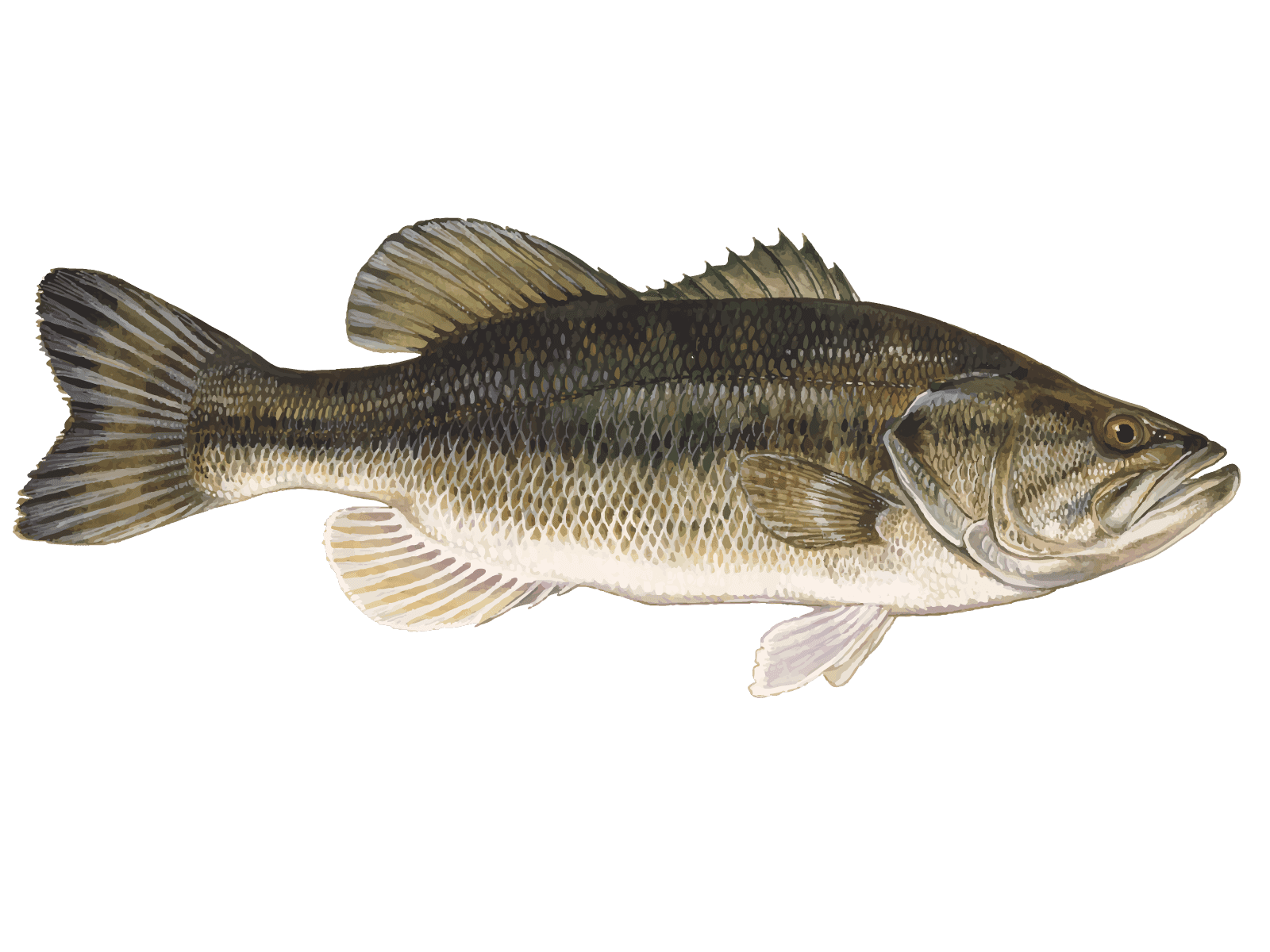
Redfish
Redfish, or red drum, are perfect for our shallow flats fishing, typically running 18-28 inches around Sebastian. Look for that copper-bronze color and the distinctive black spot near the tail. They cruise oyster bars, grass flats, and shallow bays in 1-4 feet of water. Fall and spring offer the most consistent action as they feed heavily. These fish are strong fighters that make long runs and rarely give up easy. They're also great eating with mild, sweet meat. Best local tip: look for "tailing" fish with their backs out of the water while feeding. Cast a gold spoon or live shrimp ahead of their path and let it sink naturally.
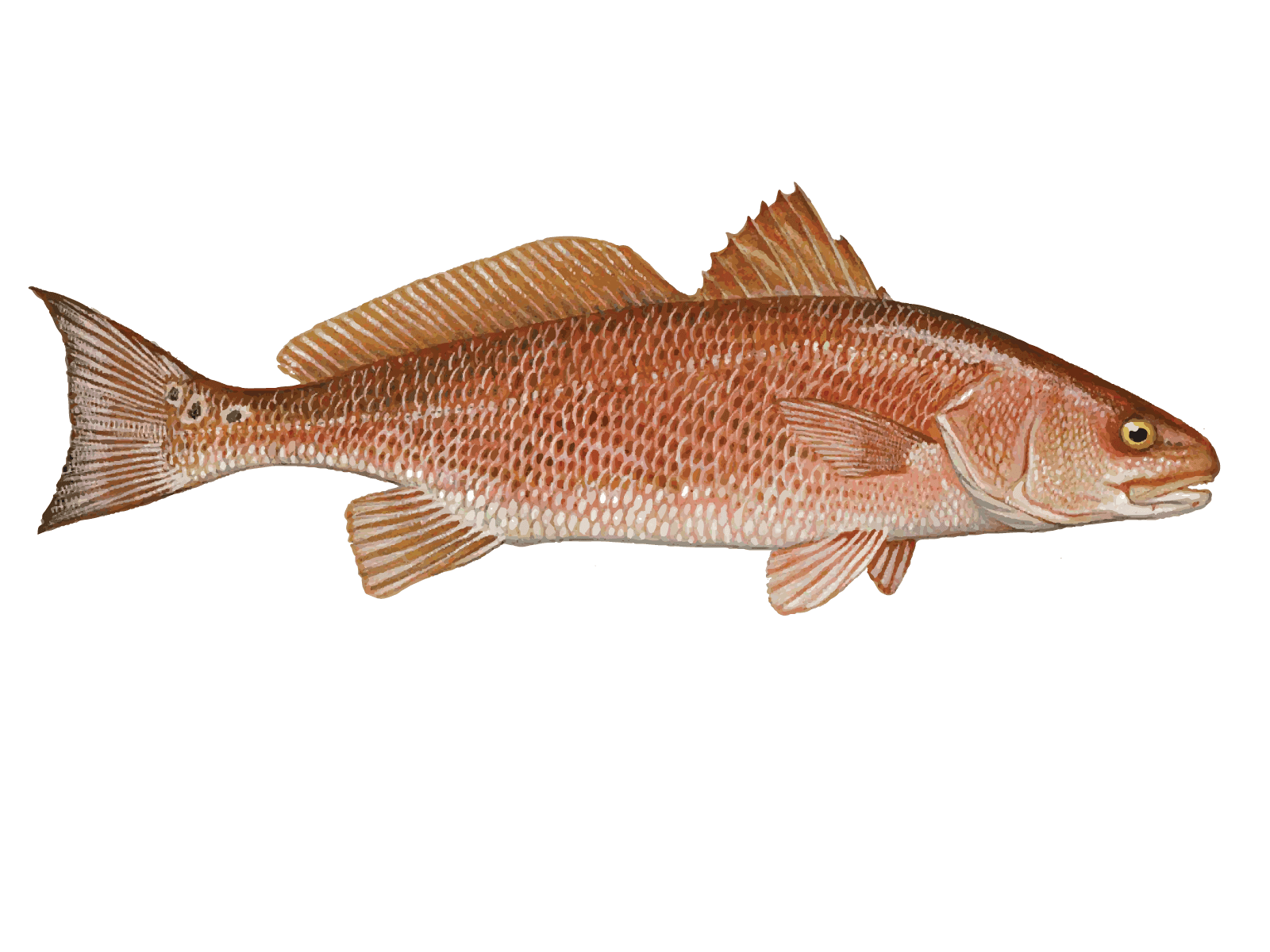
Sheepshead
Sheepshead are the craftiest fish we target, averaging 2-5 pounds with those famous human-like teeth. They stick tight to structure - bridge pilings, docks, jetties - anywhere with barnacles and crustaceans to munch on. Winter through early spring is when they're thickest around Sebastian Inlet. These fish are notorious bait thieves but make excellent table fare with sweet, flaky white meat. They'll tap your bait so lightly you'll miss it if you're not paying attention. Best trick I know: use small hooks with fresh shrimp or fiddler crabs, and the second you feel weight, set that hook hard. They've got strong jaws and will steal your bait otherwise.
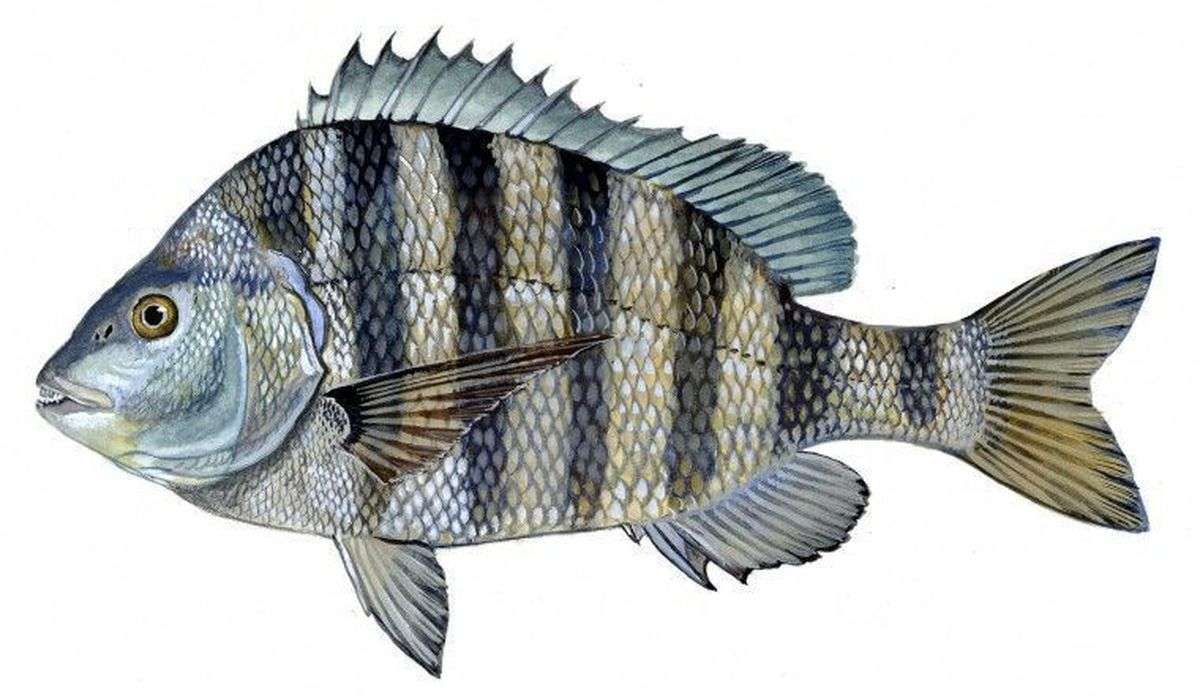
Snook
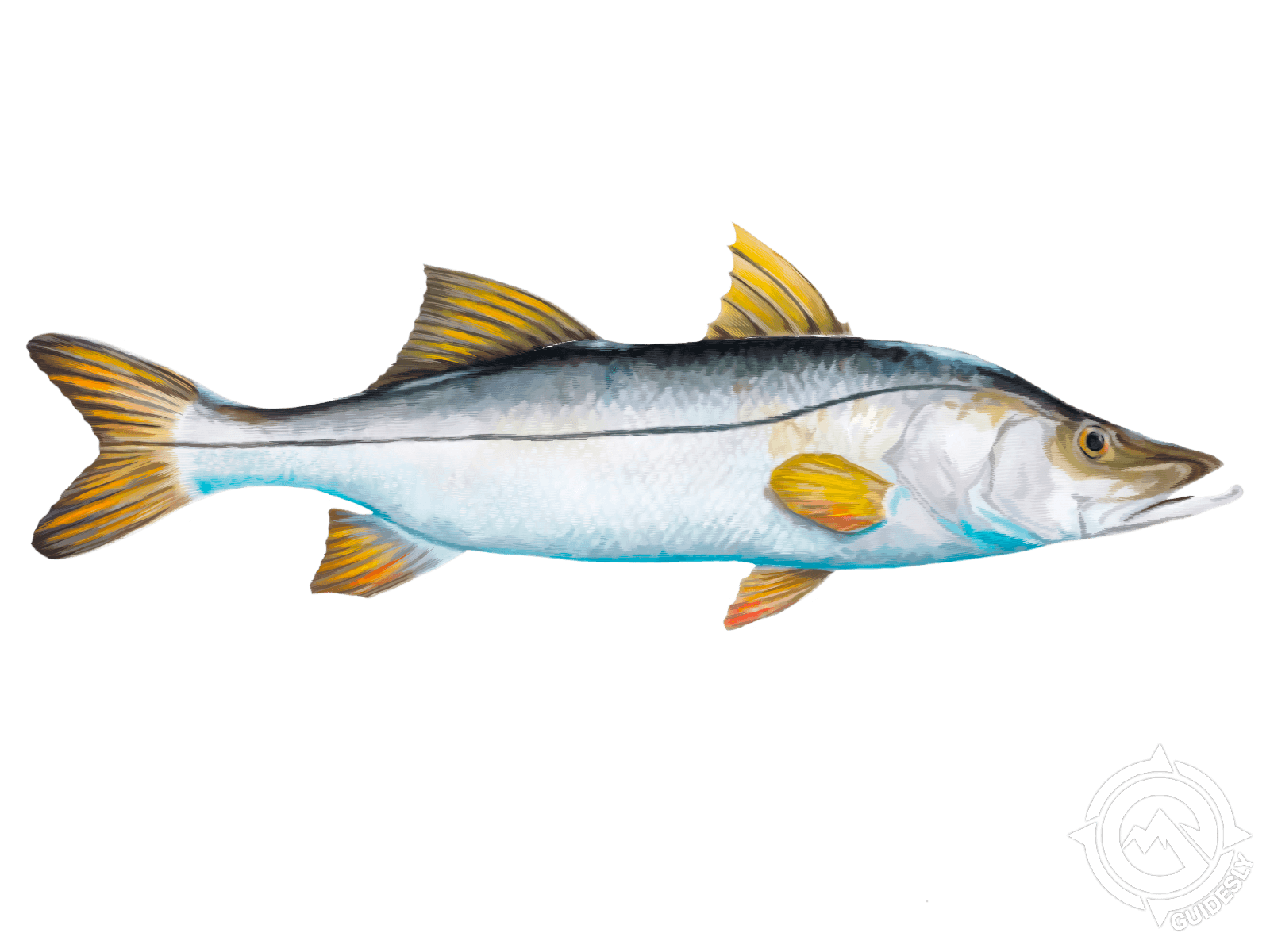
Snook are one of our most prized gamefish, running 5-15 pounds with some real monsters over 20. They have that distinctive black lateral line and love hanging around mangroves, docks, and bridge pilings in 2-10 feet of water. Best fishing happens during warmer months when they're actively feeding, especially around dawn and dusk. These fish are absolute bulldogs - they'll jump, run, and try every trick to throw your hook. They're catch-and-release only during certain seasons, so check regulations. My go-to tip: work live shrimp or pinfish tight to structure. Snook won't chase bait far, so get that presentation right in their face.
Spanish Mackerel
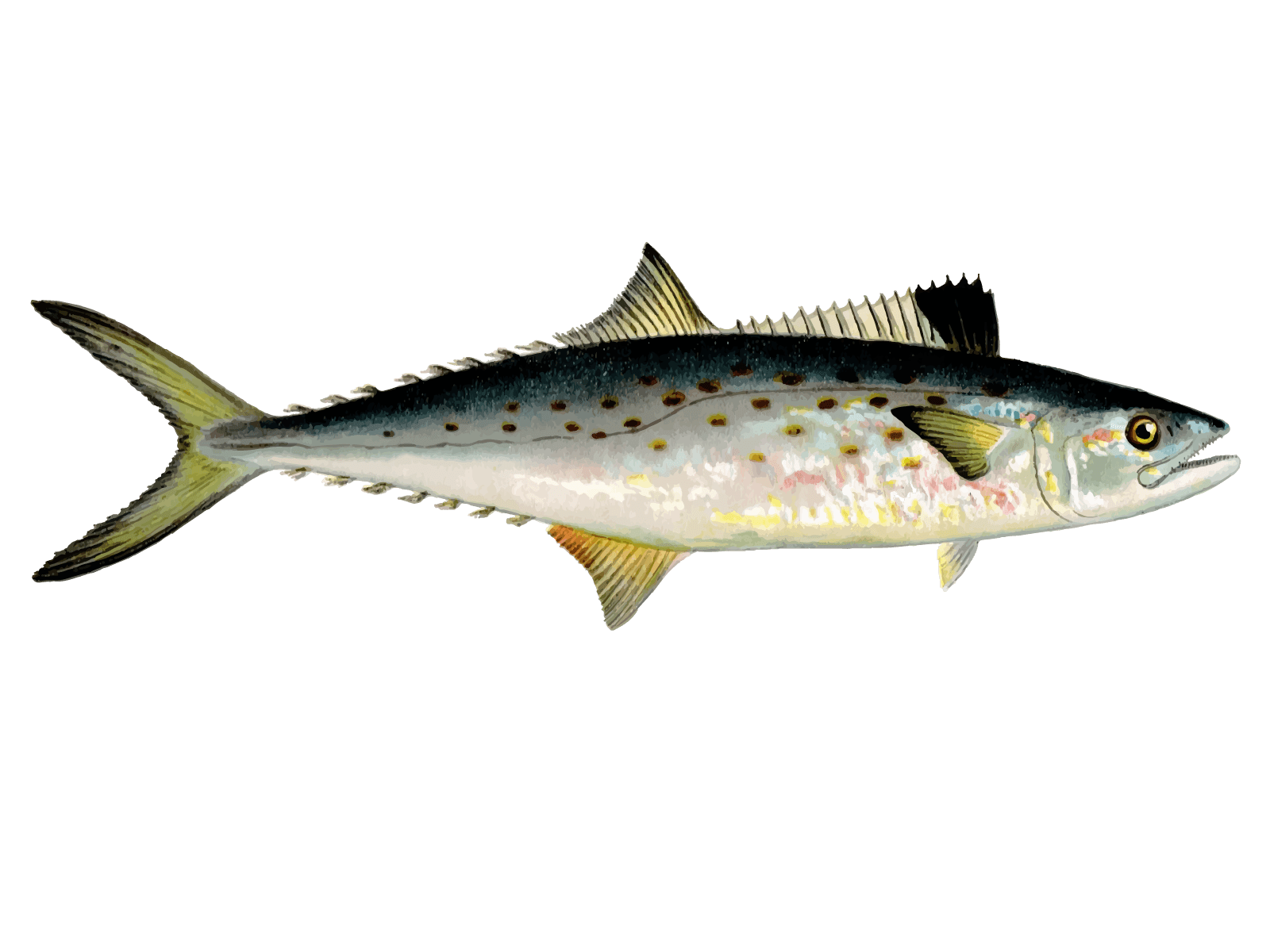
Spanish mackerel are fast, aggressive fish that run 1-3 pounds around Sebastian Inlet. You'll spot them by their silver sides with yellow spots and that distinctive dark lateral line. They cruise in schools near the surface, especially around structure and baitfish. Spring through fall gives you the best action when water temps warm up. These fish hit hard and make screaming runs that'll test your drag. They're also fantastic eating - firm, white meat that's perfect grilled or blackened. Here's a local trick: when you see diving birds, get there fast. Cast small spoons or live shrimp just ahead of the school and hold on tight.
About the Carolina Skiff
%2F%2Fusers%2F5a7b1659-03f8-472a-b337-fc182180102e%2Fvehicle_picture%2F487377725_122096823416835295_6873614546120974007_n-mqkgau4v.jpg&w=1920&q=75)
Vehicle Guest Capacity: 3
Manufacturer Name: Yamaha
Maximum Cruising Speed: 30
Number of Engines: 1
Horsepower per Engine: 70