%2Ffit-in%2F250x250%2Fguide_websites%2F179529%2Fimages%2F1781850776069don-nicely-fishing-logo.png&w=1920&q=100)
/users/5a7b1659-03f8-472a-b337-fc182180102e/ratecard/inshore-snook-and-redfish-mqkhqasm.jpg)
%2F300x300%2Fusers%2F5a7b1659-03f8-472a-b337-fc182180102e%2Fratecard%2Finshore-snook-and-redfish-mqkhqasm.jpg&w=256&q=75)
%2F300x300%2Fusers%2F5a7b1659-03f8-472a-b337-fc182180102e%2Fimages%2Fvero-beach-redfish-fishing-charter-2749.jpg&w=256&q=75)
%2F300x300%2Fusers%2F5a7b1659-03f8-472a-b337-fc182180102e%2Fimages%2Fcrevalle-jack-vero-beach-catch-2495.jpg&w=256&q=75)
%2F300x300%2Fusers%2F5a7b1659-03f8-472a-b337-fc182180102e%2Fimages%2Fvero-beach-catfish-fishing-trip-2730.jpg&w=256&q=75)
%2F300x300%2Fusers%2F5a7b1659-03f8-472a-b337-fc182180102e%2Fimages%2Fshark-catch-vero-beach-fishing-2650.jpg&w=256&q=75)
%2F300x300%2Fusers%2F5a7b1659-03f8-472a-b337-fc182180102e%2Fimages%2Fvero-beach-snook-fishing-success-2650.jpg&w=256&q=75)
%2F300x300%2Fusers%2F5a7b1659-03f8-472a-b337-fc182180102e%2Fimages%2Fvero-beach-redfish-catch-2781.jpg&w=256&q=75)
%2F300x300%2Fusers%2F5a7b1659-03f8-472a-b337-fc182180102e%2Fimages%2Fvero-beach-snook-fishing-catch-2710.jpg&w=256&q=75)
%2F300x300%2Fusers%2F5a7b1659-03f8-472a-b337-fc182180102e%2Fimages%2Fvero-beach-redfish-catch-2721.jpg&w=256&q=75)
%2F300x300%2Fusers%2F5a7b1659-03f8-472a-b337-fc182180102e%2Fimages%2Fvero-beach-redfish-catch-2696.jpg&w=256&q=75)
%2F300x300%2Fusers%2F5a7b1659-03f8-472a-b337-fc182180102e%2Fimages%2Fvero-beach-redfish-catch-2764.jpg&w=256&q=75)
Half Day Inshore Don Nicely Vero Beach FL
What you will be catching:
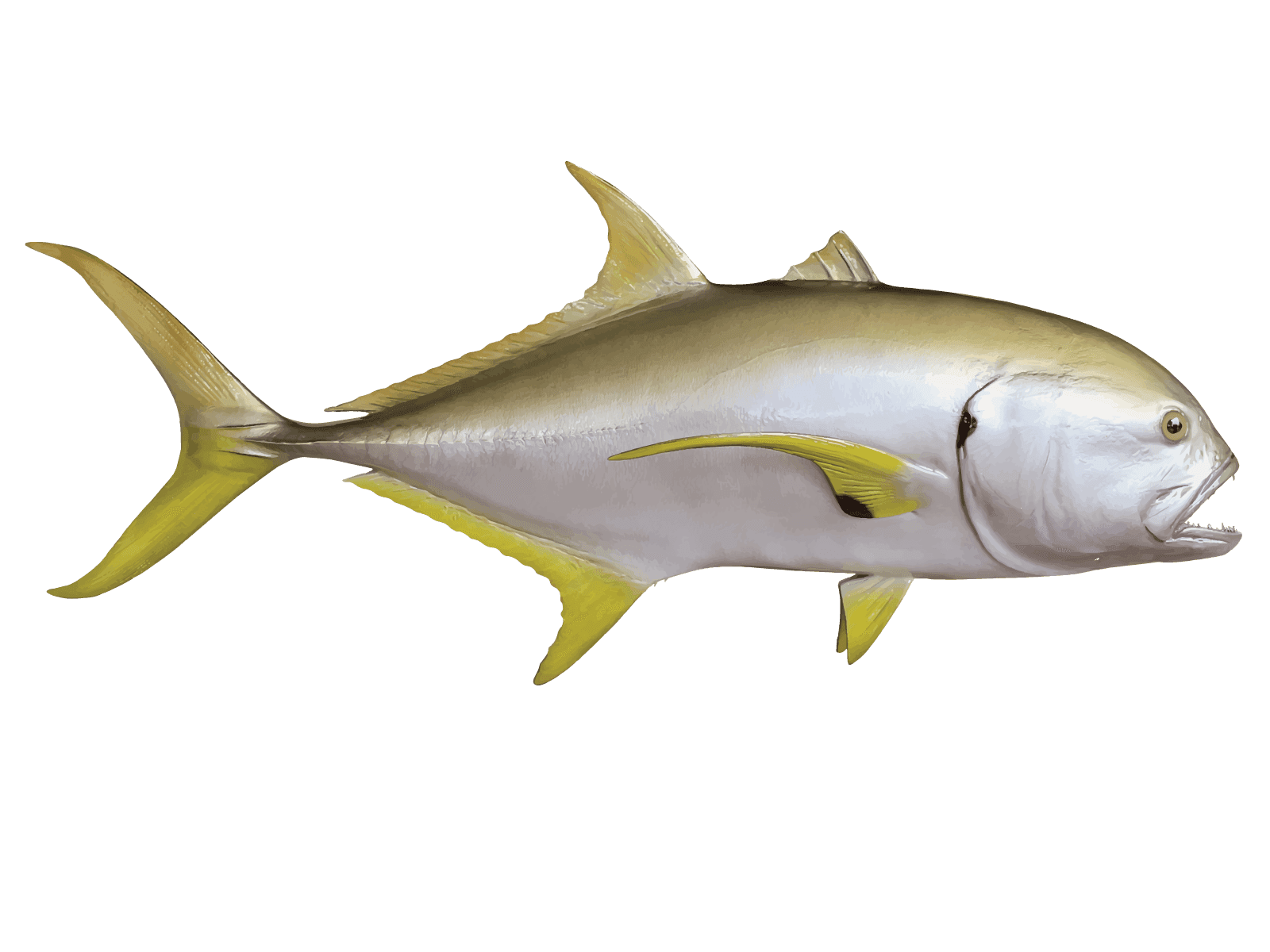
 Crevalle Jack
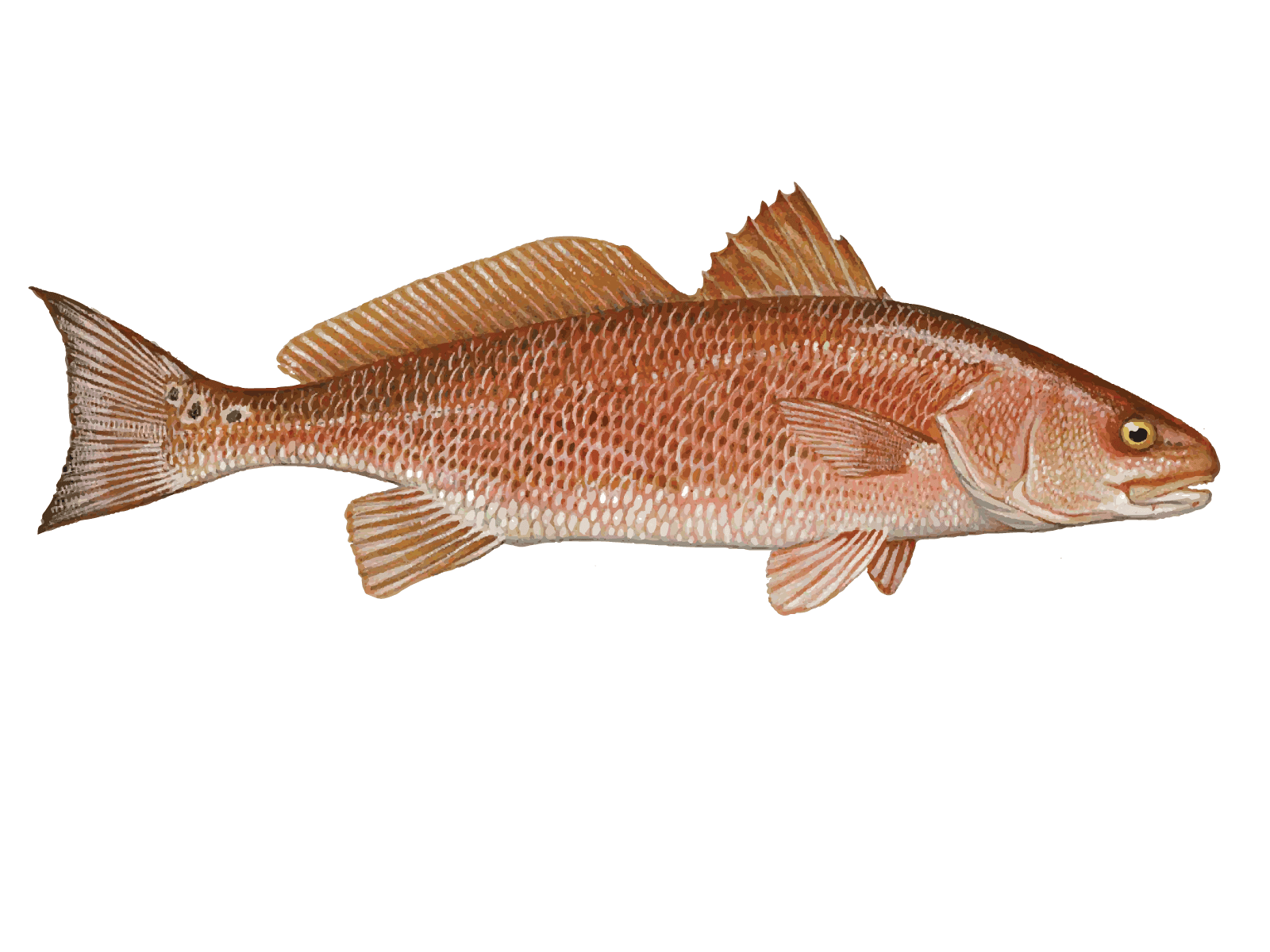
 Redfish
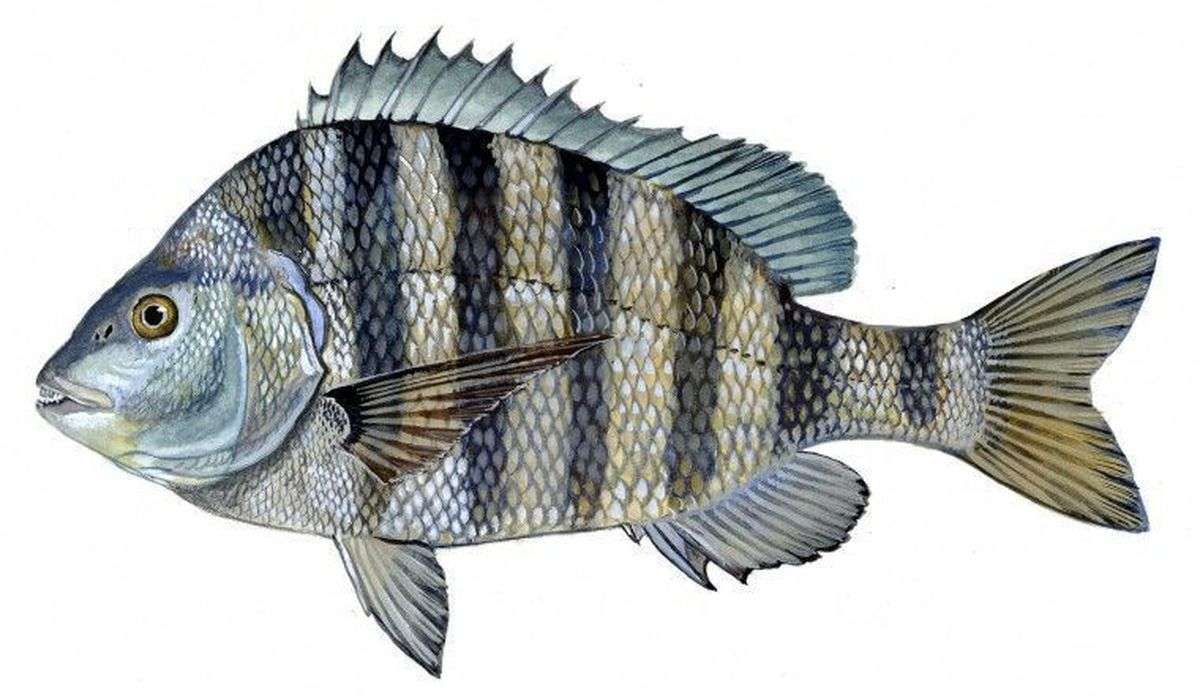
 Sheepshead
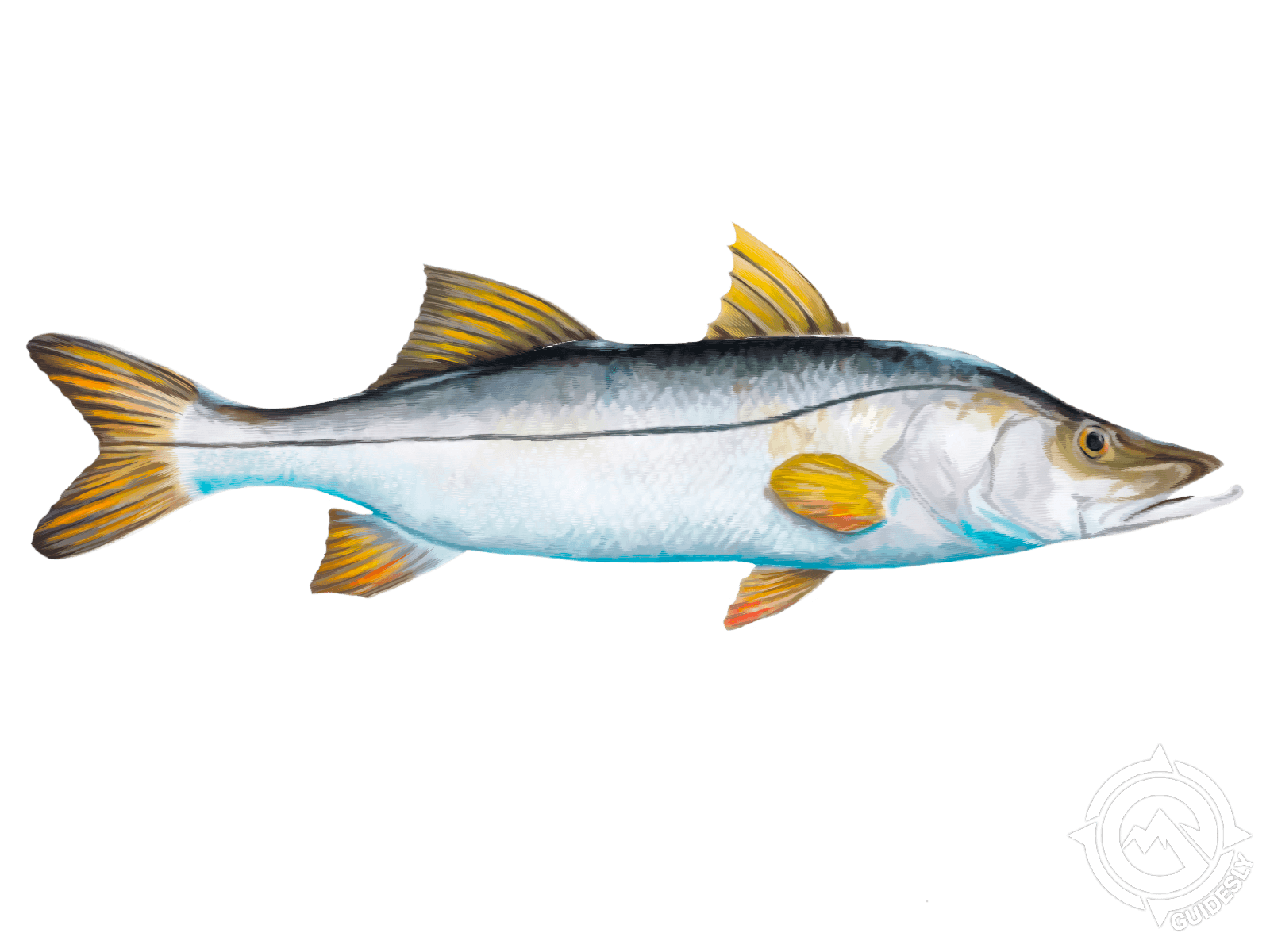
 Snook
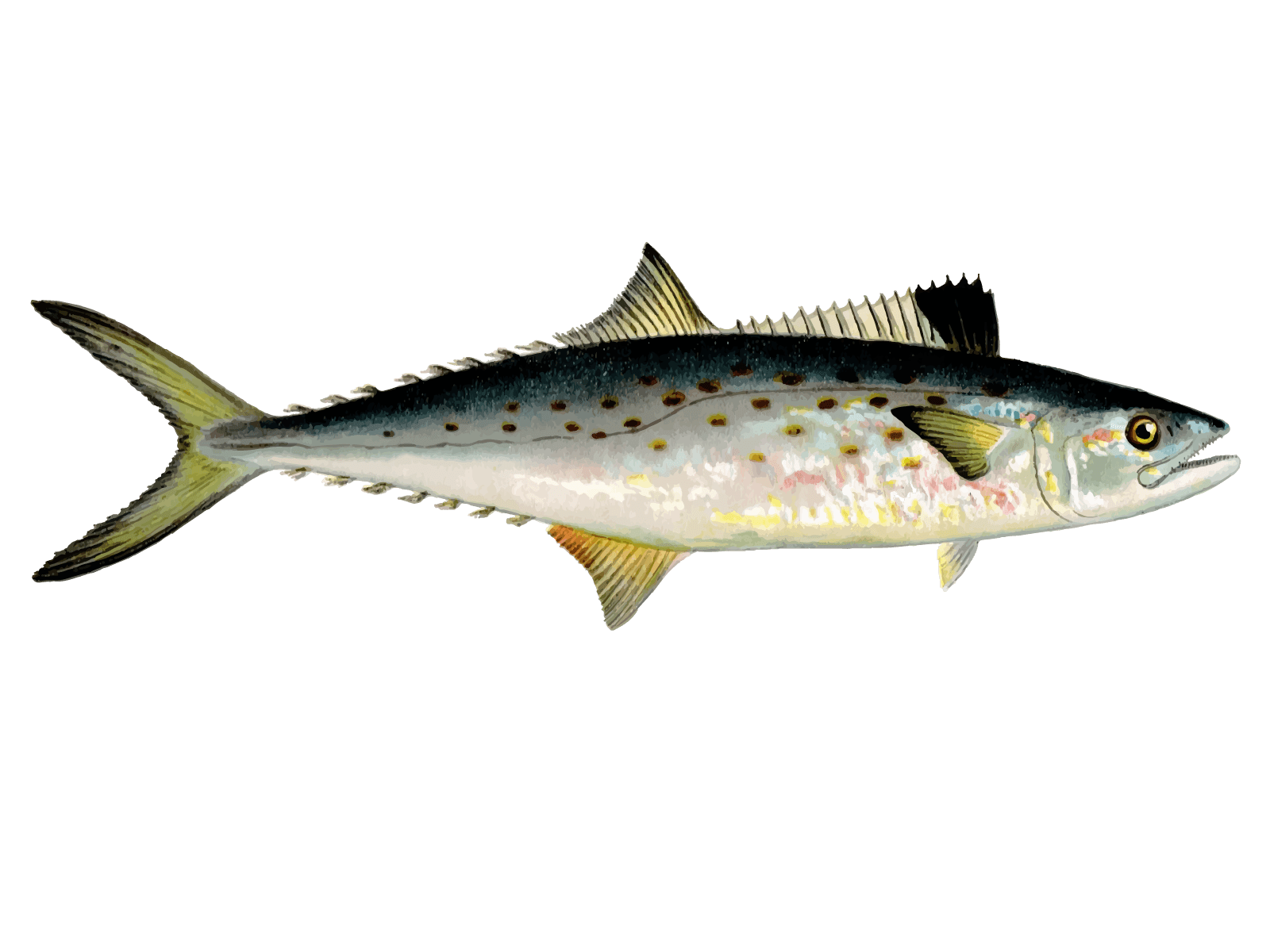
Snook Spanish Mackerel
- Half-day charter targeting redfish, snook, and largemouth bass in productive Vero Beach waters
- All equipment, tackle, bait, and saltwater licenses provided by experienced Captain Don
- Flexible 4-hour morning or afternoon trips accommodate up to three anglers comfortably
Trip Pricing and Availabilities:
Half Day Redfish Charter in Vero Beach
Don Nicely knows Vero Beach waters like the back of his hand, and this four-hour charter gives you prime access to some of Florida's most productive inshore fishing grounds. Whether you're eyeing the shallow flats for redfish and snook or heading to freshwater spots for largemouth bass, this trip adapts to what's biting best. You'll fish either 7 AM to 11 AM or noon to 4 PM – perfect timing to avoid the midday heat while hitting those sweet feeding windows when fish are most active.
What to Expect on the Water
This charter keeps things flexible and fun, accommodating up to three guests who want to experience Vero Beach fishing at its finest. Don provides all the essential gear – rods, reels, and tackle – so you can focus on the fishing instead of worrying about equipment. If you're targeting saltwater species, your bait and licenses are covered, making it hassle-free from start to finish. Freshwater trips require you to grab your own live shiners and inland license beforehand, but Don will point you in the right direction. The boat's set up perfectly for sight fishing the flats or working structure in deeper water, depending on what the day calls for. Don't be surprised if evening shark fishing comes up in conversation – it's available on request for those wanting to add some extra excitement to their Vero Beach adventure.
Flats Fishing & Fresh Options
Vero Beach offers incredible diversity within a short boat ride, and Don takes full advantage of both environments. On the saltwater side, you'll work the extensive flats system where redfish cruise in skinny water and snook ambush prey around mangrove edges. The technique here is all about stealth and precision – using live bait or artificials to tempt fish in crystal-clear shallows where every cast counts. When conditions call for freshwater action, nearby headwaters hold quality largemouth bass that respond well to both topwater presentations and deeper structure fishing. Live shiners are the go-to bait for bass, mimicking the natural forage these fish see daily. Don's local knowledge shines when reading water conditions, wind direction, and seasonal patterns to put you on fish regardless of which environment you choose.
Top Catches This Season
Spanish Mackerel show up in impressive numbers around Vero Beach, especially during cooler months when baitfish schools are thick. These speedsters hit hard and fight even harder, making them perfect for anglers who love non-stop action. They're typically 12-20 inches and absolutely demolish small spoons or live bait presentations. What makes them so exciting is their aggressive nature – when you find one, there's usually a whole school nearby ready to bite.
Snook are the crown jewel of Vero Beach inshore fishing, and for good reason. These ambush predators lurk around docks, mangroves, and inlet structures, waiting for the perfect moment to strike. They're incredibly smart fish that require precise presentations, but when you hook one, you'll understand why they're so prized. Peak seasons are spring and fall, though Don knows year-round spots where they hold. Their acrobatic jumps and powerful runs make every hookup memorable, and they're beautiful fish with that distinctive black lateral line.
Sheepshead might not win beauty contests, but they're some of the tastiest fish in these waters and provide technical fishing challenges that keep experienced anglers coming back. These black-and-white striped fighters hang around structure with barnacles and oysters, using their human-like teeth to crush crustaceans. They're notorious bait thieves, requiring quick hook sets and precise presentations. Winter months are prime time when they stack up for spawning, often weighing 3-8 pounds with occasional monsters pushing double digits.
Redfish are what many consider the perfect inshore game fish, and Vero Beach flats hold some beautiful specimens. These copper-colored bruisers are incredibly strong, making long runs across shallow flats that test your drag and patience. They're year-round residents, though fall and winter often produce the largest fish as they school up for spawning. What makes reds so special is their willingness to eat various baits and their habit of feeding in super shallow water where you can sight-cast to individual fish.
Crevalle Jack often surprise anglers with their raw power and determination. These silver bullets show up in schools and fight way above their weight class, often mistaken for much larger fish during the initial run. They're aggressive feeders that respond well to both live bait and artificials, providing steady action when other species are finicky. Summer months see the biggest concentrations, and they're excellent practice for perfecting your fighting techniques on lighter tackle.
Time to Book Your Spot
At $450 for two people with an additional $50 for a third guest, this charter delivers serious value for a half-day of world-class fishing. Don's experience and local knowledge mean you're not just paying for boat time – you're investing in a guide who knows exactly where fish live and how to catch them. Whether you're a seasoned angler looking to explore new waters or a beginner wanting to learn proper techniques, this trip adapts to your skill level and goals. The flexibility between saltwater and freshwater options means you can always find good fishing regardless of conditions. Book now to secure your spot on Vero Beach's most productive waters with a captain who's dedicated to putting you on fish.
Learn more about the species
Crevalle Jack
Crevalle jack are the bulldogs of our waters - powerful, aggressive fish that average 3-5 pounds but can reach 60. They're brassy-colored with golden sides and travel in schools that push baitfish to the surface. You'll find them both inshore around grass flats and offshore near structure. They're around year-round in our warm waters, but summer months bring the biggest schools. What makes them fun is their raw power - pound for pound, few fish fight harder. They're not great table fare, but the fight more than makes up for it. These guys are the bullies of the ocean and love chasing fast-moving baits. Watch for diving birds - that's your cue the jacks are pushing bait up. Cast past the school with silver spoons or swimbaits and retrieve fast. They love the chase.
Redfish
Redfish, or red drum, are the bread and butter of our shallow water fishing. They average 28-33 inches but can grow much larger. Look for that distinctive black spot near the tail and copper-red coloring. These fish love super shallow flats, grass beds, and oyster bars - sometimes in water so thin their backs show above the surface. They're year-round residents here, but cooler months bring the best sight fishing opportunities. What makes them special is their willingness to eat almost anything and that explosive topwater strike in skinny water. The meat is mild and sweet, perfect for the dinner table. They're also protected gamefish, so we practice catch and release on the big breeders. Try topwater plugs early morning over grass flats - when they blow up on surface baits, it's something you won't forget.
Sheepshead
Sheepshead are the convict fish of our area with their distinctive black stripes over a gray body. Most run 1-8 pounds and 14-20 inches, though big ones can hit 20 pounds. They live around any hard structure - docks, bridges, oyster bars, and barnacle-covered pilings. These fish have human-like teeth for crushing shellfish and are notorious bait thieves. Spring months, especially February through April when they spawn, offer the best action. Anglers love the challenge they present and their excellent eating quality - sweet, flaky white meat. They're sneaky about stealing bait though, so you need to stay alert. My local trick: use fiddler crabs or shrimp on small hooks, get as close to structure as possible, and set the hook hard the moment you feel weight.
Snook
Snook are one of our most sought-after inshore fish, averaging 1½ feet but capable of reaching over 4 feet. They're ambush predators that love structure - mangroves, docks, bridges, and creek mouths where fresh and salt water mix. That distinctive black lateral line makes them easy to spot. They're temperature sensitive, so warmer months from late spring through early fall are your best bet. What draws anglers is their powerful fight and that explosive strike when they blast out from cover. Plus, they're fantastic eating with sweet, white meat. During spawning season in summer, watch for their fins to turn bright yellow around passes and inlets. Keep your bait tight to structure - they rarely venture far from cover to feed.
Spanish Mackerel
Spanish mackerel are fast-moving, schooling fish that typically run 1-2 feet long and weigh around 8-11 pounds. You'll find them cruising near the surface in open water, often around structures like reefs and piers. They're silver with distinctive yellow spots and can reach speeds that'll surprise you. Spring through fall are prime times when they move through our waters in large schools. What makes them popular with anglers is their aggressive strikes and blistering runs - they'll test your drag for sure. The meat is excellent eating too, with a mild flavor that grills up perfectly. My tip: when you see diving birds working, get there fast with small spoons or jigs and cast beyond the school, then retrieve quickly through the action.
About the Carolina Skiff
%2F%2Fusers%2F5a7b1659-03f8-472a-b337-fc182180102e%2Fvehicle_picture%2F487377725_122096823416835295_6873614546120974007_n-mqkgau4v.jpg&w=1920&q=75)
Vehicle Guest Capacity: 3
Manufacturer Name: Yamaha
Maximum Cruising Speed: 30
Number of Engines: 1
Horsepower per Engine: 70