%2Ffit-in%2F250x250%2Fguide_websites%2F179529%2Fimages%2F1781850776069don-nicely-fishing-logo.png&w=1920&q=100)
Hardhead Sea Catfish Caught in Vero Beach FL
Sea Catfish Fishing in Vero Beach - What to Expect
%2F%2Fusers%2F5a7b1659-03f8-472a-b337-fc182180102e%2Fimages%2Fhardhead-catfish-vero-beach-fishing-2709.jpeg&w=1920&q=75)
Fishing, Tours Adventures by Captain Don Nicely in August
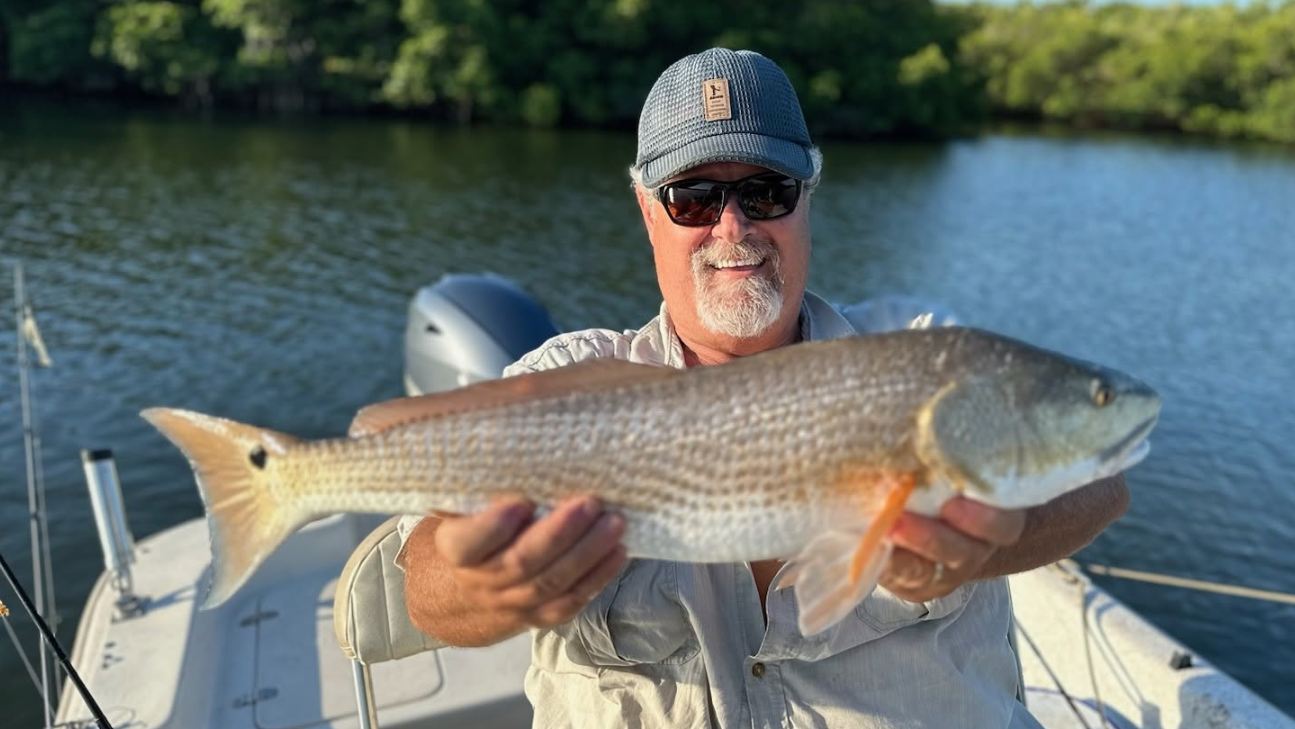
Meet your Captain Don Nicely
- Vero Beach Fishing Charters And Scenic Eco Tours


Summary
Join Captain Don Nicely of Don Nicely Fishing Charters for an exciting fishing and tour adventure in Vero Beach on Friday, August. This Fishing, Tours Adventures outing showcases the thrill of battling hardhead sea catfish in Florida's coastal waters, delivering an unforgettable experience for anglers of all skill levels.
Fishing with Captain Don Nicely - Rates & Booking
Captain Don Nicely of Don Nicely Fishing Charters welcomes you to Vero Beach on Friday, August for an authentic fishing and tour adventure. Whether you're an experienced angler or picking up a rod for the first time, this charter delivers the real deal of Florida coastal fishing. For details on group sizes, duration, and booking your spot, contact Don Nicely Fishing Charters directly to secure your date on the water.
This is your chance to fish where the action happens, with a captain who knows these waters intimately. Book your fishing charter adventure today and experience what makes Vero Beach a premier destination for anglers seeking that perfect catch.
Highlights of Your Fishing Adventure
Vero Beach offers some of the most rewarding fishing opportunities along Florida's Atlantic coast. When you step aboard, you're heading into waters teeming with opportunity. The hardhead sea catfish you'll encounter are fierce fighters, making every hookup an adrenaline-pumping moment that tests your skills and keeps your heart racing.
The experience extends beyond the catch itself. You'll be on the water during some of Vero Beach's most beautiful conditions, surrounded by the natural beauty of Florida's coastal ecosystem. The thrill of the fight, the camaraderie with fellow anglers, and the satisfaction of landing a quality fish create memories that last far beyond the trip.
Local Species Insights: Hardhead Sea Catfish
The hardhead sea catfish is a signature species in Vero Beach waters and a favorite among local anglers. These aggressive bottom feeders are known for their powerful runs and spirited resistance when hooked. They're equipped with venomous spines, which adds an element of respect and strategy to the fishing experience. Understanding their behavior and habitat preferences is key to successful fishing in these waters.
Hardhead sea catfish thrive in the coastal channels and deeper holes around Vero Beach. They're most active during specific tide cycles and water conditions, which Captain Don Nicely monitors closely to position your charter for maximum success. These fish are found year-round but hit harder during warmer months when water temperatures climb. Their preference for live and cut bait makes them ideal targets for anglers using traditional bottom-fishing techniques.
What makes fishing for hardheads in Vero Beach special is the combination of accessibility and abundance. You don't need to venture into deep offshore waters to find quality action. The nearshore and inshore zones hold consistent populations, allowing for long days filled with multiple opportunities. When one takes your bait, the fight is immediate and unmistakable, delivering the explosive action that defines great fishing days.
The Vero Beach environment provides ideal conditions for this species. The varied bottom structure, mix of sandbars and shell beds, and proximity to deeper channels create a perfect habitat. Water clarity varies with tide and season, but the presence of hardheads remains consistent. Local guides like Captain Don Nicely leverage decades of experience reading these conditions and positioning anglers where fish are feeding actively.
Plan Your Fishing Day
Your Vero Beach fishing adventure with Don Nicely Fishing Charters combines accessibility with authentic coastal action. The charter experience puts you directly in the heart of productive fishing grounds where hardhead sea catfish respond eagerly to properly presented baits. Safety and comfort are priorities, with experienced guidance ensuring you understand proper technique and species-specific handling, particularly regarding the spines that make these fish unique and demanding of respect.
Fishing in Vero Beach: Hardhead Sea Catfish

Hardhead Sea Catfish Overview
The Hardhead Sea Catfish (Ariopsis felis), belonging to the family Ariidae within the order Siluriformes, is one of the most intriguing saltwater catfish species found along the Atlantic coast and Gulf of Mexico. Also known simply as "Hardhead" or "Saltwater Catfish," this species gets its distinctive name from the hard, bony plate that runs between its eyes down to its dorsal fin—a feature that makes it instantly recognizable to experienced anglers. What truly sets this catfish apart is its remarkable ability to use echolocation, a trait that's absolutely unique among bony fishes, allowing it to navigate murky waters and locate food with remarkable precision. Around Florida Keys and throughout the Gulf region, the Hardhead Sea Catfish has earned a reputation as both a common catch and a notable presence in coastal ecosystems, making it a fascinating subject for both recreational fishermen and marine enthusiasts.
Hardhead Sea Catfish Habitat and Distribution
Hardhead Sea Catfish thrive in the inshore waters of the Gulf of Mexico, the northwest Atlantic Ocean, and the southeastern coast of North America. Their range extends from Cape Cod and Massachusetts down through the Chesapeake Bay region, with particularly strong populations around the Florida Keys and the Yucatan Peninsula. These catfish prefer nearshore environments with muddy or sandy bottoms, river mouths, and brackish estuaries where they can hunt for food among the substrate. While they're occasionally spotted in freshwater areas, they're primarily saltwater and brackish-water dwellers. A fascinating aspect of their behavior involves seasonal migration: during winter months, they move from shallow waters into deeper zones to escape colder temperatures, making them more predictable for anglers who understand these patterns. The Indian River Lagoon in central Florida stands as one of the most productive hotspots for encountering this species, where it ranks among the 30 most commonly caught species by recreational anglers.
Hardhead Sea Catfish Size and Weight
Typical Hardhead Sea Catfish measure between 10 to 12 inches in length and weigh around 1 to 3 pounds, making them a moderate-sized catch for most anglers. However, these catfish are capable of reaching much larger proportions under ideal conditions. The maximum recorded sizes stretch up to 28 inches in length, with weights reaching up to 12 pounds—specimens that would be considered trophy-sized for this species. This significant size range means that anglers fishing for Hardhead Sea Catfish might encounter anything from diminutive juvenile fish to respectable adults, keeping every outing unpredictable and exciting. The variation in size often correlates with age and the availability of abundant prey, with larger individuals typically found in deeper waters and more established feeding grounds.
Hardhead Sea Catfish Diet and Behavior
The Hardhead Sea Catfish is an opportunistic and voracious feeder, earning a reputation among anglers as a notorious bait stealer due to its aggressive feeding behavior. Young specimens primarily consume annelids, mollusks, and amphipods, while adults expand their diet to include larger fish, shrimp, crabs, polychaetes, gastropods, sea cucumbers, cnidarians, seagrasses, and algae. This incredible dietary flexibility makes them highly adaptable to various environments and makes them relatively easy to catch compared to more selective species. One of the most remarkable behavioral traits of this catfish is its ability to produce sounds in three distinct ways: by vibrating bones and swim bladder, by rubbing their pectoral girdle against pectoral spines, and by grinding their teeth. These sounds serve communication and echolocation purposes, allowing them to navigate and hunt effectively in low-visibility conditions where many other fish would struggle. Their sensory barbels—four under the chin and two at the mouth edges—act as highly sensitive tactile organs, helping them detect prey in murky waters and along the bottom where they prefer to hunt.
Hardhead Sea Catfish Spawning or Seasonal Activity
Hardhead Sea Catfish exhibit fascinating reproductive behavior through a process called mouthbrooding, where males collect fertilized eggs and keep them safely inside their mouths until they hatch. This paternal care strategy is relatively uncommon among catfish species and demonstrates an interesting level of parental investment in offspring survival. Breeding activity typically occurs during warmer months when water temperatures rise, with peak spawning in late spring and early summer. The seasonal migration patterns of this species are particularly noteworthy: as water temperatures drop during winter months, populations shift from shallow, productive inshore waters to deeper offshore zones where conditions remain more stable. This predictable movement makes winter an excellent time for anglers who understand that targeting deeper channels and holes can yield consistent catches even as other fish species become less active. Spring through fall represents the prime season for encountering actively feeding populations in shallower inshore waters.
Hardhead Sea Catfish Techniques for Observation or Capture
Natural Bait Method: The most effective approach for catching Hardhead Sea Catfish involves using natural baits, with fresh shrimp standing as the gold standard that rarely fails. When fishing inshore around Florida or elsewhere in their range, cast your bait near muddy river mouths, deep holes, and structure-rich areas during early morning or late afternoon hours. Use a simple rod and reel setup with medium-weight tackle, as these catfish aren't particularly finicky about equipment—they're aggressive feeders that will strike readily available prey. Be prepared for frequent bait-stealing behavior by using larger baits or securing your offerings firmly to the hook. Around the Indian River Lagoon, anglers report exceptional success by fishing deeper channels during slack tide periods when catfish move in to feed.
Bottom-Fishing Approach: Deploy a simple three-way rig with your main line, a leader to a sinker, and another leader to your baited hook. This setup keeps your bait near the bottom where Hardhead Sea Catfish prefer to hunt. Fish near structure like pilings, dock posts, and underwater debris where catfish congregate. Soft-bottom areas with sandy or muddy substrate are particularly productive, as these provide ideal hunting grounds for tactile feeders relying on barbel sensitivity.
Active Observation Tip: If you're simply interested in observing rather than catching, visit shallow estuaries and brackish river mouths during early morning hours when water clarity is best and catfish are actively foraging. Look for disturbed bottom sediment, which often indicates recent catfish activity. The visible barbels and distinctive head shape make identification straightforward even for beginners.
Hardhead Sea Catfish Culinary or Utilization Notes
While Hardhead Sea Catfish are technically edible, they've earned a less-than-stellar reputation among anglers for their culinary qualities. Most recreational fishermen consider them an "undesirable catch" primarily due to their notably "fishy" taste and texture, which many describe as inferior compared to other popular gamefish species. The flesh tends to be soft and less flavorful than prized catfish varieties, making them an uncommon choice for the dinner table. However, they remain commercially harvested using bottom trawls for industrial purposes, suggesting some market value despite their reputation among recreational anglers. If you do choose to prepare Hardhead Sea Catfish, proper cleaning and immediate icing are essential to minimize the strong fish flavor. Most anglers who encounter them while targeting other species like Spotted Seatrout or Red Drum simply practice catch-and-release, returning them to the water unharmed. The primary value of this species lies in their ecological role and the sport they provide, rather than their culinary contribution to your table.
Hardhead Sea Catfish Frequently Asked Questions
Q: What is the best bait for catching Hardhead Sea Catfish?
A: Fresh shrimp is unquestionably the most effective bait choice for Hardhead Sea Catfish. These aggressive feeders will attack virtually any natural bait, but shrimp consistently outperforms alternatives like cut fish, crabs, and worms. Be prepared for this species' notorious bait-stealing behavior by using adequately-sized portions secured firmly to your hook, and consider using multiple hooks or larger baits to reduce frequent re-baiting trips.
Q: Where can I find Hardhead Sea Catfish near Florida?
A: Throughout Florida, particularly around the Florida Keys and the Indian River Lagoon in central Florida, you'll find excellent populations of Hardhead Sea Catfish. Focus your efforts on nearshore inshore waters, brackish estuaries, muddy river mouths, and deep channels. During winter, fish deeper waters and channels where they migrate to escape cold temperatures. Early morning tides and slack water periods typically produce the most consistent action.
Q: Are Hardhead Sea Catfish good to eat?
A: Most anglers consider Hardhead Sea Catfish to be poor table fare compared to other species. They're known for their strong, "fishy" taste and soft texture that many find unpalatable. While they are occasionally harvested commercially, the recreational fishing community generally practices catch-and-release with this species, reserving their dinner plans for more highly-regarded species like Spotted Seatrout or Red Drum.
Q: When is the best time to catch Hardhead Sea Catfish?
A: Spring through fall offers prime conditions for pursuing Hardhead Sea Catfish when populations inhabit shallower, more accessible inshore waters. Early morning and late afternoon hours represent peak feeding periods. Winter fishing is also viable by targeting deeper channels where catfish migrate, though activity levels decrease overall during colder months. Year-round availability makes this species predictable and accessible to anglers regardless of season.
Q: Why should I be careful handling Hardhead Sea Catfish?
A: Hardhead Sea Catfish possess sharp, barbed spines on their dorsal and pectoral fins that are covered in a mildly toxic slime coating. These spines can inflict painful puncture wounds with serrations that cause aggravated injuries. Even dead specimens pose a threat, as erect spines can puncture shoes and skin if stepped on carelessly. Always handle this species with thick gloves and exercise caution when removing hooks from the mouth, keeping hands away from all fin structures.
Q: What makes Hardhead Sea Catfish unique compared to other catfish species?
A: Several remarkable traits distinguish Hardhead Sea Catfish from other bony fishes. Most notably, they possess the rare ability to use echolocation—a sensory capability unique among bony fishes that allows them to navigate murky waters and locate prey through low-frequency sound production. They produce sounds through three methods: bone and swim bladder vibrations, pectoral girdle rubbing, and tooth grinding. Additionally, the distinctive hard, bony plate between their eyes extending to the dorsal fin gives them their characteristic name and appearance, while their mouthbrooding reproductive behavior demonstrates unusual paternal investment for catfish species.